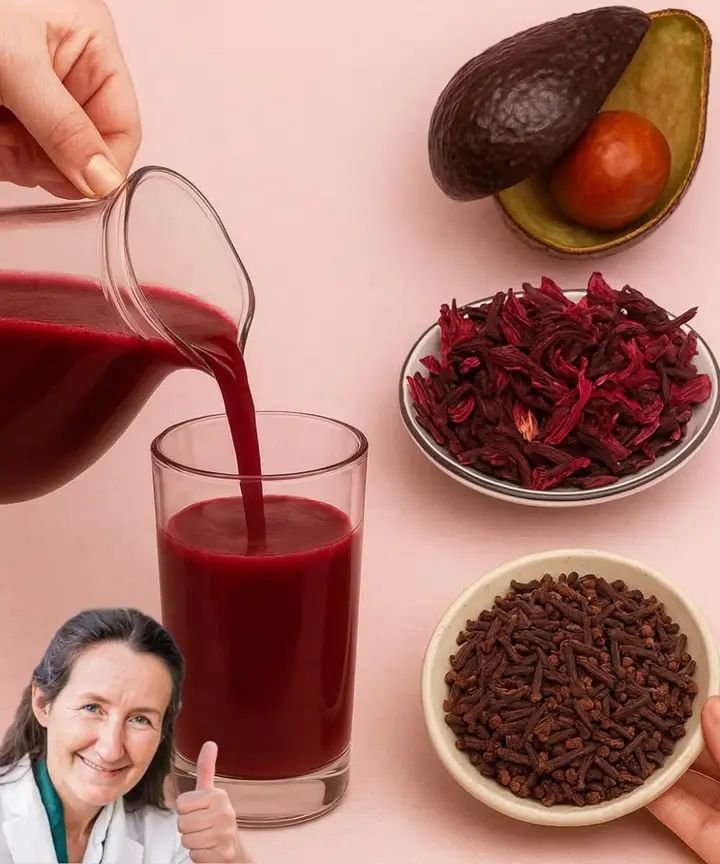
Here’s a detailed guide on beetroot—its benefits, uses, and creative ways to enjoy it:
1. Introduction to Beetroot
Beetroot, also known simply as beet, is a nutrient-dense root vegetable with a deep red-purple color. It has a sweet, earthy flavor and is popular in salads, juices, and even desserts. Both the root and its leafy greens are edible, providing a range of nutrients.
2. Nutritional Benefits
Beetroot is packed with vitamins, minerals, and antioxidants. Key nutrients include:
-
Folate (Vitamin B9): Supports DNA synthesis and healthy cell growth.
-
Vitamin C: Boosts immunity and promotes skin health.
-
Iron: Supports red blood cell production and prevents anemia.
-
Potassium & Magnesium: Help regulate blood pressure and muscle function.
-
Fiber: Aids digestion and maintains gut health.
-
Nitrates: Convert to nitric oxide in the body, improving blood flow and potentially enhancing exercise performance.
-
Antioxidants (betalains): Reduce inflammation and protect against oxidative stress.
3. Health Benefits of Beetroot
-
Supports Heart Health: Nitrates in beetroot help relax blood vessels, lowering blood pressure.
-
Boosts Athletic Performance: Improved blood flow increases oxygen delivery to muscles.
-
Enhances Brain Function: Better circulation may improve cognitive function.
-
Supports Detoxification: Betalains help the liver process toxins.
-
May Help Fight Inflammation: Antioxidants can reduce chronic inflammation linked to many diseases.
4. Culinary Uses
Beetroot is versatile in both raw and cooked forms:
-
Raw: Shredded in salads, blended into smoothies or juices.
-
Roasted: Enhances sweetness; can be used in salads or as a side dish.
-
Boiled or Steamed: Retains nutrients and softens texture for soups or mashes.
-
Pickled: Adds tangy flavor to sandwiches or appetizers.
-
Baked: Beetroot can be incorporated into cakes, muffins, and brownies for natural color and moisture.
5. Creative Ways to Enjoy Beetroot
-
Beetroot Latte: Combine beetroot powder with steamed milk for a vibrant, earthy drink.
-
Beetroot Hummus: Blend roasted beet with chickpeas, tahini, and lemon juice.
-
Beet Chips: Thinly slice beetroot, season, and bake until crispy.
-
Smoothie Boost: Add raw beet to fruit smoothies for an extra nutrient punch.
-
Beet Pasta: Use beetroot puree in fresh pasta dough for a colorful, nutrient-rich twist.
6. Tips for Cooking and Storing
-
Storage: Keep raw beets in the fridge for up to 2 weeks; remove greens to prevent spoilage.
-
Cooking: Roasting enhances sweetness; boiling may reduce some nutrients but is great for softer textures.
-
Color Preservation: Cooking with acidic ingredients (like lemon juice or vinegar) can help maintain the vibrant red color.
7. Precautions
-
Oxalates: Beetroot contains oxalates, which may contribute to kidney stones in sensitive individuals.
-
Beeturia: Eating large amounts may temporarily turn urine or stool reddish, which is harmless.
Bottom Line:
Beetroot is a powerhouse of nutrients and antioxidants that can support heart health, athletic performance, and overall wellness. Its versatility allows it to be eaten raw, roasted, pickled, or even baked into desserts. Experimenting with beetroot in both sweet and savory dishes can make it a delicious, health-boosting staple in your diet.