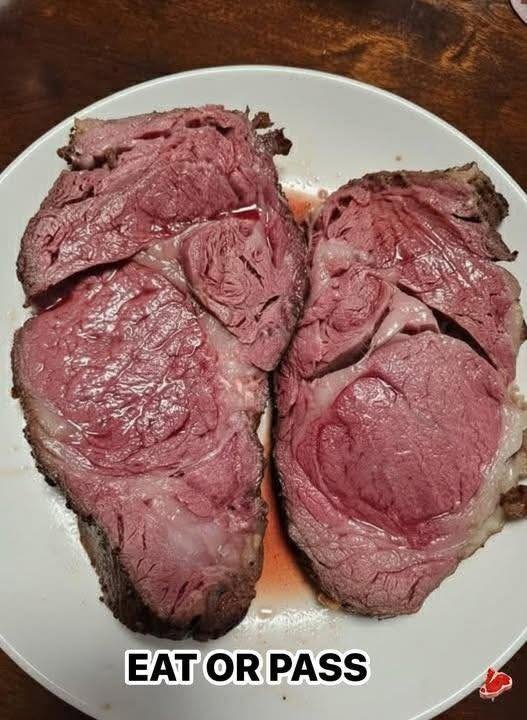
Making the Perfect Prime Rib Roast is a great way to impress at any dinner or celebration! Here’s a detailed recipe, with clear steps for how to make a flavorful, tender, and juicy prime rib roast.
Ingredients
For the roast:
-
1 (4-6 lbs) prime rib roast (bone-in or boneless)
-
2 tbsp olive oil or vegetable oil
-
2 tbsp fresh rosemary, chopped (or 2 tsp dried)
-
2 tbsp fresh thyme, chopped (or 2 tsp dried)
-
4 cloves garlic, minced
-
1 tbsp kosher salt (you can adjust based on preference)
-
1 tbsp freshly ground black pepper
-
1 tbsp Dijon mustard (optional, for a nice crust)
-
1/2 cup beef broth (for roasting pan)
For the au jus (optional but recommended):
-
1/2 cup red wine (optional, but it adds great flavor)
-
1/2 cup beef broth
-
2 tbsp butter (for finishing)
Instructions
1. Preheat the Oven
Preheat your oven to 450°F (230°C). This high temperature will help create a beautiful sear on the roast.
2. Prepare the Roast
-
Remove the Roast from the Fridge: Take the prime rib out of the fridge about 1-2 hours before cooking to allow it to come to room temperature. This ensures even cooking.
-
Pat Dry: Use paper towels to blot the roast dry. This is essential for getting a good sear.
3. Season the Roast
-
In a small bowl, combine the chopped rosemary, chopped thyme, minced garlic, kosher salt, and black pepper.
-
Rub the roast all over with the olive oil or vegetable oil. This helps the seasoning stick and promotes even browning.
-
Next, rub the seasoning mixture all over the meat, pressing it in gently.
-
Optional: Rub a thin layer of Dijon mustard on the meat before adding the seasoning for a nice crust (the mustard doesn’t add a strong flavor but helps with creating a crusty exterior).
4. Roast the Meat
-
Place the prime rib roast on a rack in a roasting pan. If you don’t have a rack, you can use large carrots or onions as a base for the roast to sit on, helping it roast evenly.
-
Pour the beef broth into the bottom of the pan (this helps keep the roast moist during cooking).
-
Roast at High Heat: Place the pan in the preheated oven and roast for about 15-20 minutes at 450°F. This initial high heat creates a flavorful sear on the outside of the roast.
5. Lower the Temperature
After the initial high-heat roast, lower the oven temperature to 325°F (160°C). Continue roasting at this lower temperature for about 15-20 minutes per pound, depending on how well-done you like your roast.
-
For medium-rare, the internal temperature should reach around 120°F – 125°F when checked with a meat thermometer.
-
For medium, cook until the internal temperature reaches 130°F – 135°F.
-
For well-done, cook until the internal temperature reaches 145°F or higher. (Note: Prime rib is best served medium-rare to medium).
6. Rest the Meat
Once the roast reaches your desired doneness, remove it from the oven and tent it loosely with aluminum foil. Let the roast rest for 15-20 minutes. This is crucial because it allows the juices to redistribute within the meat, keeping it tender and juicy.
7. Make the Au Jus (Optional)
-
While the roast is resting, you can prepare the au jus. Pour the pan drippings from the roasting pan into a saucepan, scraping up any flavorful bits from the bottom of the pan.
-
If you like, you can add red wine and let it reduce over medium-high heat for about 5 minutes.
-
Add beef broth and simmer for another 5-10 minutes until slightly reduced.
-
Finish by stirring in butter for a rich, velvety finish to your sauce.
8. Carve and Serve
After the roast has rested, carefully carve the prime rib. If it’s bone-in, you can use the bones as a guide and slice between them.
-
Serve with your homemade au jus on the side for dipping, and enjoy!
Serving Suggestions
-
Serve with classic sides like mashed potatoes, roasted vegetables, a fresh salad, or Yorkshire pudding.
-
For an extra touch, consider making a horseradish sauce by mixing sour cream, horseradish, and a touch of lemon juice.
Tips
-
Let it rest: Don’t skip the resting step—this is the key to juicy prime rib!
-
Meat thermometer: A good meat thermometer is essential for getting the perfect level of doneness.
-
Leftovers: Leftover prime rib makes great sandwiches or can be added to stews or salads!