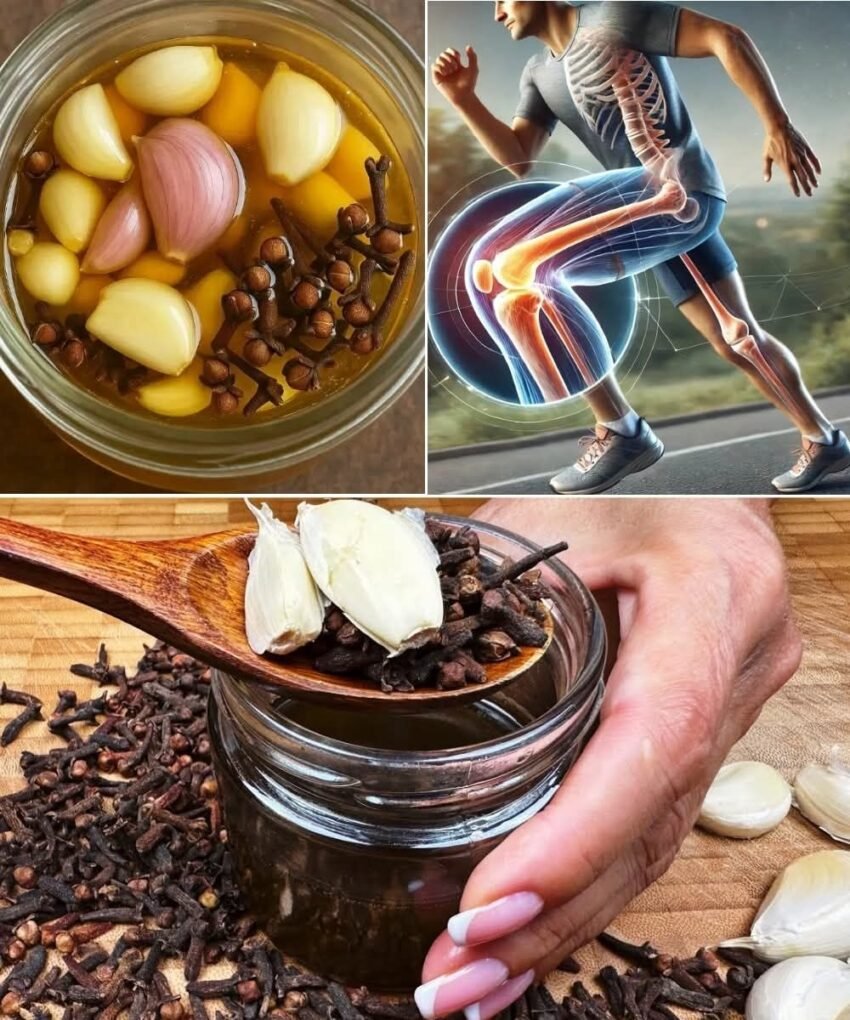
It looks like you’re mentioning leg pain, rheumatism, and varicose veins. I can give you a clear explanation of each, their possible connections, and ways to manage them safely.
1. Leg Pain
Leg pain can come from many causes:
-
Muscle strain or overuse: Common if you stand or walk a lot.
-
Circulation problems: Poor blood flow can cause aching or heaviness.
-
Nerve issues: Tingling, numbness, or shooting pain may suggest nerve involvement.
-
Joint problems: Arthritis or rheumatism can cause joint pain in the knees or ankles.
2. Rheumatism
“Rheumatism” is a broad term often used to describe joint and connective tissue pain, such as:
-
Rheumatoid arthritis: An autoimmune disease causing joint swelling and stiffness.
-
Osteoarthritis: Wear-and-tear arthritis that causes pain and stiffness, especially in weight-bearing joints.
-
Other inflammatory conditions: Such as lupus or gout (less common in legs specifically).
Symptoms often include:
-
Joint stiffness (especially in the morning)
-
Swelling, warmth, or redness
-
Fatigue in more systemic conditions
3. Varicose Veins
Varicose veins are enlarged, twisted veins, usually in the legs. They occur when valves in the veins fail, causing blood to pool. Symptoms include:
-
Visible bulging veins
-
Leg heaviness or aching
-
Swelling in the ankles
-
Skin changes in severe cases (darkening or ulcers)
Risk factors: Genetics, prolonged standing, obesity, age, pregnancy.
⚡ Possible Connections
-
Poor circulation from varicose veins can worsen leg pain.
-
Rheumatism can affect joints, causing leg discomfort and stiffness.
-
Combined issues: Someone with varicose veins and joint inflammation may feel leg pain more acutely after long periods of standing or walking.
✅ Tips to Help
-
Leg elevation: Rest with legs raised to improve blood flow.
-
Compression stockings: Help with varicose veins and swelling.
-
Exercise: Low-impact activities (walking, swimming, cycling) improve circulation and joint health.
-
Healthy weight: Reduces stress on joints and veins.
-
Pain relief: Over-the-counter anti-inflammatories (like ibuprofen) may help with joint pain, but should be used carefully.
-
Medical check-up: If pain is severe, swelling is persistent, or you notice skin changes, see a doctor—especially a vascular specialist or rheumatologist.