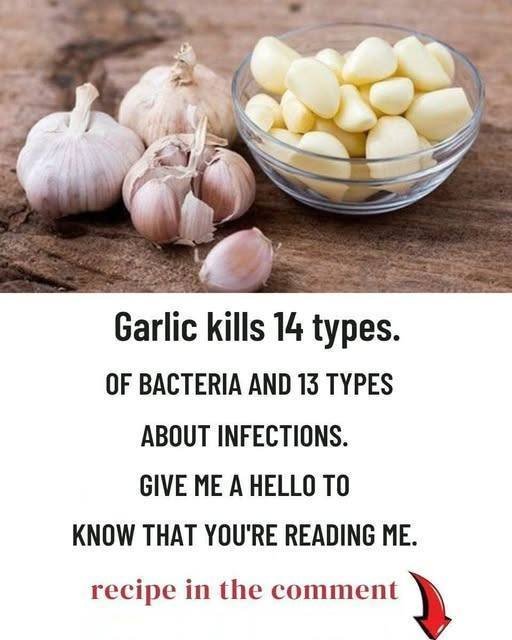
Garlic is an incredibly versatile and nutritious ingredient that has been used for both culinary and medicinal purposes for thousands of years. It’s known for its strong aroma and distinct flavor, but also for its numerous health benefits.
What is Garlic?
Garlic (scientifically known as Allium sativum) is a member of the onion family, Alliaceae, and is native to Central Asia. It’s often used in cooking to enhance flavor, but it’s also prized for its health-promoting properties. Garlic is available in different forms, including raw, cooked, powdered, and as supplements.
Nutritional Content of Garlic (per 1 clove)
-
Calories: 4
-
Carbs: 1g
-
Protein: 0.2g
-
Fat: 0g
-
Fiber: 0.1g
-
Vitamins and minerals:
-
Vitamin C
-
Vitamin B6
-
Manganese
-
Calcium
-
Potassium
-
Iron
-
Health Benefits of Garlic
Garlic is often referred to as a “superfood” because of its wide range of health benefits. Here are some of the most notable ones:
1. Boosts Immunity
Garlic is known for its immune-boosting properties. It can help your body fight off infections, reduce the severity of colds, and lower the risk of chronic diseases. Its active compounds, especially allicin, are believed to enhance the body’s ability to fight germs.
2. Heart Health
Garlic is beneficial for cardiovascular health. It can help:
-
Lower blood pressure
-
Reduce cholesterol levels (especially LDL or “bad” cholesterol)
-
Prevent plaque buildup in arteries
-
Improve circulation
This makes garlic a great natural remedy for preventing heart disease.
3. Antioxidant Properties
Garlic contains powerful antioxidants that help protect your cells from oxidative damage. The antioxidants in garlic can reduce inflammation and lower the risk of chronic diseases like cancer and Alzheimer’s.
4. Improves Digestion
Garlic promotes the growth of good bacteria in the gut, which helps maintain a healthy balance of microorganisms in your digestive system. It can also help prevent gut-related issues like bloating and indigestion.
5. Fights Infections
Garlic has antimicrobial and antifungal properties that make it effective against a range of infections, including fungal infections like candida, and even some viral infections. It’s known to fight off infections like the common cold and flu.
6. Regulates Blood Sugar
Some studies suggest that garlic may help regulate blood sugar levels, making it beneficial for people with diabetes. It can also improve insulin sensitivity.
7. Supports Liver Health
Garlic is known to support liver health by promoting detoxification. It stimulates the liver to produce enzymes that help the body flush out toxins.
8. Anti-Inflammatory Effects
The compounds in garlic have anti-inflammatory effects, which can help reduce the symptoms of conditions like arthritis and other inflammatory diseases.
Directions for Use
Garlic can be used in various forms depending on what you want to achieve:
1. Raw Garlic
-
How to use: Crush or chop raw garlic cloves and let them sit for 10 minutes to activate allicin (the active compound responsible for many of garlic’s health benefits). You can then mix it into your food, eat it directly, or add it to juices or smoothies.
-
Dosage: For general health, 1-2 raw cloves per day is sufficient. For stronger medicinal benefits, you may need more, but consult a healthcare provider before using large amounts.
2. Garlic in Cooking
-
How to use: Garlic can be sautéed, roasted, or added directly to dishes like pasta, soups, stews, stir-fries, or sauces. However, cooking garlic for long periods or at high temperatures may reduce some of its health benefits, particularly the allicin content.
-
Tip: Add garlic toward the end of cooking for maximum flavor and health benefits.
3. Garlic Oil
-
How to use: Garlic-infused oil can be made by gently heating olive oil with crushed garlic. This oil can be used in cooking, drizzled over salads, or applied to the skin (diluted with a carrier oil) for potential anti-inflammatory effects.
-
Caution: Be careful with garlic oil if you make it at home, as it can cause botulism if not stored properly. Store homemade garlic oil in the fridge and use it within a few days.
4. Garlic Supplements
-
How to use: If you don’t like the taste of garlic or find it hard to include it in your diet, garlic supplements are available in capsule or tablet form. These often contain concentrated forms of garlic, including allicin.
-
Dosage: Follow the instructions on the supplement bottle, or consult with a healthcare provider for personalized advice.
5. Garlic for Skin and Hair
-
How to use for skin: Garlic is sometimes used for acne due to its antibacterial and anti-inflammatory properties. You can crush a small amount and apply it to affected areas for a short period, then rinse off.
-
How to use for hair: Garlic can help with hair growth and scalp health. Some people apply garlic oil to their scalp, leave it for 20 minutes, and then wash it out.
Precautions and Side Effects
While garlic is generally safe, some people may experience side effects, especially in large amounts. These can include:
-
Bad breath: Garlic can leave a strong odor on your breath.
-
Digestive issues: Some people may experience stomach upset, bloating, or gas from consuming raw garlic.
-
Skin irritation: Garlic can cause skin irritation or burns if applied directly to the skin for too long.
-
Blood thinning: Garlic may increase the risk of bleeding, especially if you’re taking blood thinners.
Conclusion
Garlic is more than just a flavorful ingredient; it’s a health powerhouse with a range of benefits. Whether you use it raw, cooked, or as a supplement, it can help boost your immune system, improve heart health, support digestion, and more. However, like with any remedy, moderation is key, and if you’re unsure about how much garlic to use, consulting a healthcare provider is always a good idea.