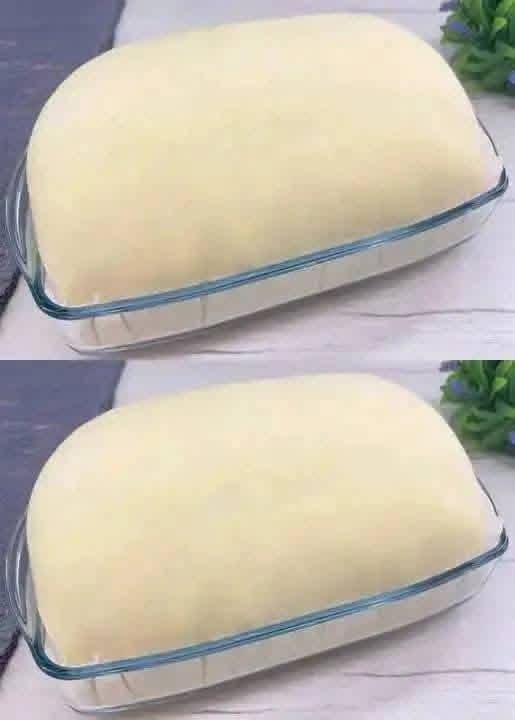
Making fluffy bread is a rewarding process, and while it takes some time, the result is a soft, airy loaf that’s perfect for sandwiches, toast, or just eating as is! Here’s a detailed recipe to make fluffy bread from scratch:
Fluffy White Bread Recipe
Ingredients:
-
3 ½ cups (440g) all-purpose flour – Make sure to spoon and level your flour to avoid adding too much.
-
1 packet (2 ¼ teaspoons) active dry yeast – You can also use instant yeast if you have that.
-
1 ½ teaspoons salt – This will balance out the flavors.
-
1 tablespoon sugar – Helps to feed the yeast and adds a touch of sweetness.
-
1 ¼ cups (300ml) warm water – About 110°F (43°C). Too hot will kill the yeast, so make sure it’s just warm, not too hot!
-
2 tablespoons unsalted butter, softened – Adds richness to the dough.
-
2 tablespoons vegetable oil – For a soft crumb.
-
Optional: 1 tablespoon milk powder – This helps improve the texture, making it even fluffier, but it’s optional.
Directions:
Step 1: Prepare the Yeast Mixture
-
Activate the yeast:
In a small bowl, combine the warm water, sugar, and yeast. Stir it lightly to dissolve. Let the mixture sit for about 5–10 minutes until it becomes foamy. This means the yeast is activated and ready to go. If it doesn’t foam, your yeast might be old, and you should try again with fresh yeast.
Step 2: Mix the Dry Ingredients
-
Combine the dry ingredients:
In a large mixing bowl, whisk together the flour and salt. If you’re using milk powder, add it to the dry ingredients as well.
Step 3: Add Wet Ingredients
-
Mix the wet ingredients:
Once the yeast mixture is bubbly, add it to the dry ingredients. Then, add the butter and oil. Stir everything together until it begins to form a shaggy dough. You can use a spoon or a stand mixer with a dough hook to make the process easier.
Step 4: Knead the Dough
-
Knead the dough:
Turn the dough out onto a floured surface and knead it for about 8-10 minutes. If using a stand mixer, knead it on medium speed for about 6-7 minutes. The dough should be smooth and elastic. If it feels too sticky, sprinkle in a little more flour (a tablespoon at a time), but don’t add too much, or the bread will be dense.Tip: You’ll know it’s ready when you can stretch the dough out to form a thin membrane without it tearing (called the “windowpane test”).
Step 5: First Rise
-
Let the dough rise:
Place the dough in a lightly greased bowl. Cover it with a clean kitchen towel or plastic wrap. Let it rise in a warm place for about 1-1.5 hours, or until it has doubled in size. A good spot is near a warm oven or on top of the fridge.
Step 6: Shape the Dough
-
Punch down the dough:
After the dough has risen, punch it down gently to release any air bubbles. Turn the dough out onto a lightly floured surface again. -
Shape the dough into a loaf:
Roll the dough into a rectangle, then fold the edges in toward the center. Roll the dough up tightly from one edge to the other to form a loaf. Pinch the seams together to seal.
Step 7: Second Rise
-
Let it rise again:
Place the shaped dough into a greased 9×5-inch loaf pan. Cover it with a towel or plastic wrap and let it rise for another 30-45 minutes, or until it rises above the edge of the pan.
Step 8: Bake the Bread
-
Preheat the oven:
While the dough is rising, preheat your oven to 375°F (190°C). Make sure the oven is fully heated before you put the bread in. -
Bake the bread:
Once the dough has risen, place the loaf pan in the oven and bake for about 25-30 minutes, or until the top is golden brown and the bread sounds hollow when tapped on the bottom.
Step 9: Cool the Bread
-
Let it cool:
Once the bread is done baking, remove it from the oven and allow it to cool in the pan for about 10 minutes. Then, transfer the loaf to a wire rack to cool completely before slicing. This helps prevent the bread from becoming soggy.
Tips for Fluffier Bread:
-
Use room-temperature ingredients: Ingredients like butter and eggs (if using) should be at room temperature. This helps them mix more easily and create a softer dough.
-
Don’t skip the kneading: Proper kneading is crucial for developing the gluten, which gives the bread its structure and fluffiness.
-
Keep the dough warm: Yeast thrives in warmth. If it’s cold, your bread may not rise well.
-
Let it cool completely before slicing: Cutting into the bread while it’s hot can make the texture dense or gummy.