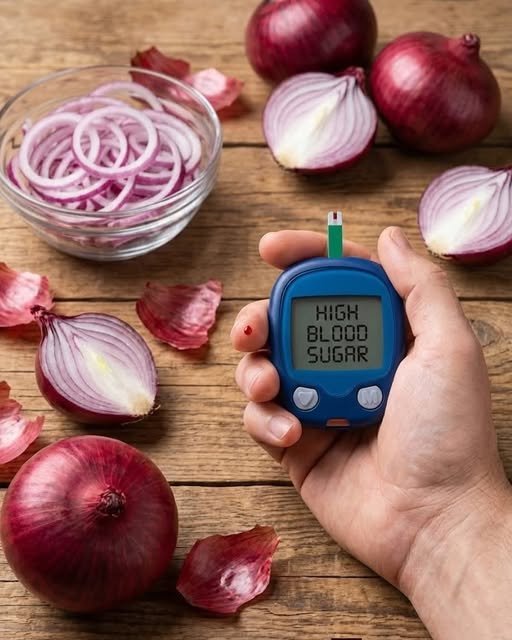
Purple onions, also known as red onions, have been associated with various health benefits, particularly for their potential to help manage blood sugar levels. Here’s a detailed look at how they work, along with some directions on how to incorporate them into your diet:
Why Purple Onions May Lower Blood Sugar
Purple onions contain several compounds that may help reduce blood sugar, including:
-
Flavonoids (especially quercetin): These are antioxidants that have been shown to improve insulin sensitivity, helping the body process glucose more effectively. Quercetin is also thought to help reduce inflammation, which can be a factor in insulin resistance.
-
Chromium: This mineral plays a role in insulin function and glucose metabolism, and purple onions contain small amounts of it, which may support blood sugar regulation.
-
Sulfur compounds: Onions contain sulfur compounds, like thiosulfinates, which have been linked to better glucose control.
How Purple Onions Help with Blood Sugar Regulation
-
Improved Insulin Sensitivity: By increasing insulin sensitivity, the body can use insulin more efficiently, leading to better glucose uptake into cells, and potentially reducing blood sugar levels.
-
Low Glycemic Index: Purple onions have a relatively low glycemic index (GI), which means they cause a slower, more gradual rise in blood sugar compared to high-GI foods.
-
Rich in Fiber: Fiber slows down the digestion of carbohydrates, helping to prevent spikes in blood sugar levels after meals.
Health Benefits of Purple Onions
-
Supports Heart Health: The quercetin in purple onions can help lower blood pressure, reduce cholesterol, and improve overall cardiovascular health.
-
Anti-inflammatory Properties: The antioxidants in purple onions can help reduce inflammation, which plays a role in many chronic diseases, including diabetes.
-
Rich in Vitamins and Minerals: Purple onions are a good source of vitamin C, vitamin B6, and folate, all of which are important for overall health and immune function.
-
Antibacterial Effects: Onions have natural antibacterial properties, which can help support gut health and fight infections.
Directions for Using Purple Onions to Lower Blood Sugar
-
Raw Onion Salad: Eating raw onions preserves their nutrients. Try making a salad with thinly sliced purple onions, cucumbers, tomatoes, and a drizzle of olive oil and lemon juice. Add some herbs like parsley for extra flavor and benefits.
-
Onion Juice: You can extract the juice from purple onions and drink a small amount daily. Mix it with some honey or lemon juice if the taste is too strong. It’s said that onion juice can help regulate blood sugar, especially if consumed on an empty stomach.
-
Onion and Garlic Combo: Garlic, like onions, has been linked to better blood sugar control. You can sauté purple onions and garlic together as part of your meals.
-
Onion in Soups or Stews: Adding purple onions to soups or stews is an easy way to include them in your diet. Cooking them lightly helps release beneficial compounds without losing too many nutrients.
-
Onion Powder in Smoothies or Teas: For a milder flavor, you can use dried onion powder in smoothies or teas. This allows you to benefit from onions without having to consume them raw.
Recommended Dosage
-
There’s no exact “dosage” for purple onions, but adding 1/2 to 1 small onion to your daily meals can help provide health benefits without overwhelming your taste buds.
-
If you prefer onion juice, a teaspoon to a tablespoon per day may be sufficient. Always start with small amounts to see how your body reacts.
Important Notes
-
Consult Your Doctor: If you have diabetes or are on medication to control blood sugar, it’s important to consult a healthcare provider before significantly increasing your intake of onions, as they can interact with certain medications.
-
Side Effects: Onions can cause digestive discomfort in some people, such as bloating or gas, especially when eaten raw. If you experience this, try cooking the onions or using smaller amounts.