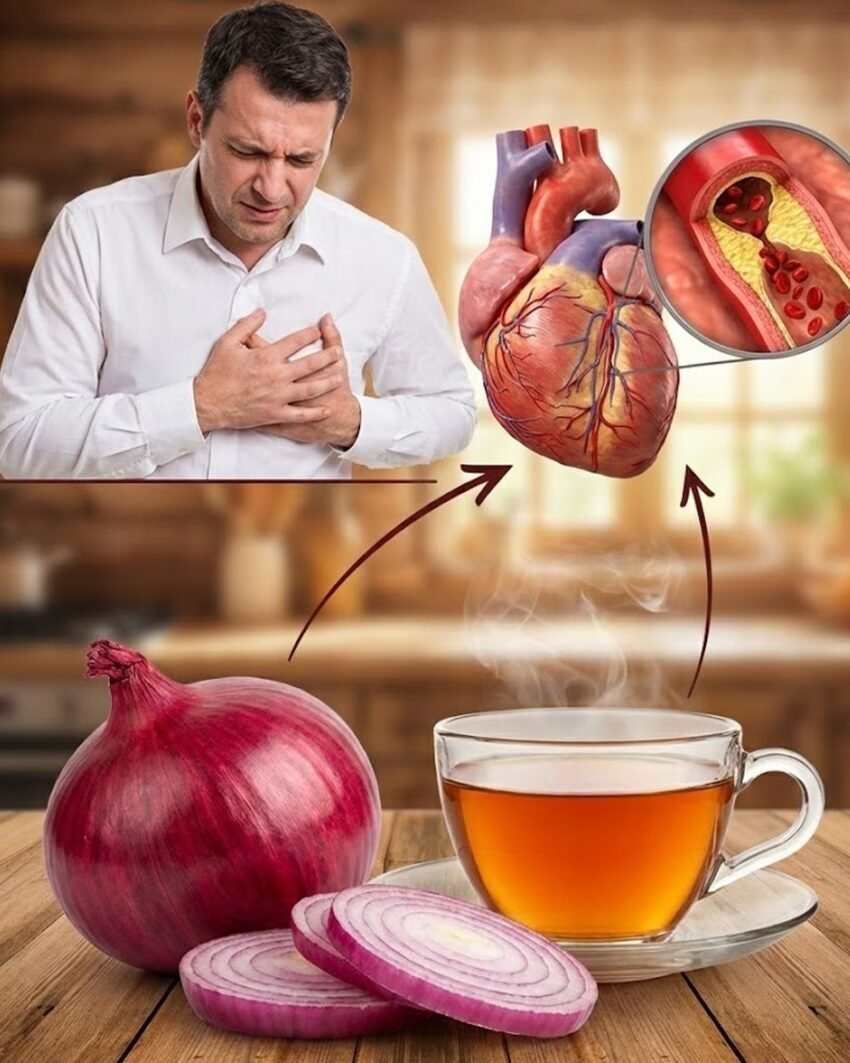
Onions are a staple in kitchens worldwide, known for their flavor, versatility, and health benefits. Here’s a breakdown of onions in detail, including their health benefits and directions on how to use them.
Types of Onions
There are several types of onions, each with distinct characteristics:
-
Yellow onions: These are the most common variety. They have a strong flavor and become sweeter the longer they’re cooked.
-
Red onions: These are milder and sweeter, commonly used in salads, sandwiches, and garnishes.
-
White onions: These are usually milder than yellow onions and often used in Mexican or Latin American dishes.
-
Shallots: A smaller, milder variety often used in dressings, sauces, or vinaigrettes.
-
Green onions (Scallions): These have a mild flavor and are typically used raw in salads or as a garnish.
Health Benefits of Onions
Onions are more than just a flavorful vegetable; they offer several health benefits due to their rich content of vitamins, minerals, and antioxidants. Some of the key benefits include:
-
Rich in Nutrients:
-
Vitamins: Onions are a good source of Vitamin C, which helps with immunity and collagen production.
-
Minerals: They contain potassium, which helps manage blood pressure, and small amounts of folate, calcium, and iron.
-
-
Antioxidant Properties:
-
Onions are packed with antioxidants, including quercetin, a potent compound that has anti-inflammatory and anti-cancer properties.
-
They also contain sulfur compounds that contribute to their characteristic aroma and have protective effects on the body.
-
-
Supports Heart Health:
-
The sulfur compounds and antioxidants in onions can reduce the risk of heart disease by lowering cholesterol and preventing the formation of blood clots.
-
Onions help reduce high blood pressure due to their high potassium and low sodium content.
-
-
Cancer Prevention:
-
Studies suggest that regular consumption of onions may reduce the risk of certain types of cancer, such as stomach, colorectal, and prostate cancer, due to their high antioxidant and anti-inflammatory properties.
-
-
Boosts Immunity:
-
The vitamin C and sulfur compounds in onions strengthen the immune system, helping to fight off infections.
-
-
Improves Digestion:
-
Onions are a good source of prebiotics, which are compounds that help nourish the good bacteria in your gut, supporting a healthy digestive system.
-
-
Regulates Blood Sugar:
-
Some studies suggest that onions can help regulate blood sugar levels, which is beneficial for people with diabetes or those at risk of developing diabetes.
-
How to Use Onions
Here are some common ways to use onions in your meals:
-
Raw:
-
Salads: Slice red onions thinly and add them to salads for a crunchy, tangy flavor.
-
Sandwiches/Burgers: Add raw onion slices for a burst of sharp flavor.
-
-
Cooked:
-
Sautéing: Sauté onions in olive oil or butter until they are translucent or caramelized. This process enhances their sweetness.
-
Soups & Stews: Add onions to soups or stews for rich flavor. They can also be blended into creamy soups.
-
Grilled: Grilled onions are a delicious addition to burgers, sandwiches, or skewers.
-
-
Pickled:
-
You can pickle onions by soaking them in vinegar and water with a pinch of salt and sugar. This adds a tangy kick to sandwiches, tacos, or salads.
-
-
Fried:
-
Onion rings: Slice onions, dip them in batter, and fry them for a crispy treat.
-
Fried onions: Thinly slice onions, coat them in flour or breadcrumbs, and fry until golden.
-
Directions for Cooking (Basic Sautéed Onions)
If you want to cook onions, here’s a simple way to sauté them for a variety of dishes:
Ingredients:
-
1 large onion (yellow or red, your choice)
-
1-2 tbsp olive oil or butter
-
Salt (optional)
-
Pepper (optional)
Directions:
-
Peel and Slice the Onion:
-
Cut off the ends and peel the outer skin. Slice the onion into thin rings or half-moon shapes depending on your preference.
-
-
Heat the Pan:
-
Heat a medium-sized skillet over medium heat. Add the olive oil or butter to the pan.
-
-
Add the Onion:
-
Once the oil is hot, add the sliced onions to the pan. Stir occasionally to prevent them from burning.
-
-
Cook Until Softened:
-
Sauté the onions for about 5–10 minutes, stirring occasionally, until they become soft and translucent. If you prefer caramelized onions, continue cooking them on low heat for about 20–30 minutes until they turn a golden brown color.
-
-
Season:
-
Add a pinch of salt and pepper to taste. You can also experiment with herbs like thyme, rosemary, or a dash of balsamic vinegar for extra flavor.
-
-
Serve:
-
These sautéed onions can be added to a variety of dishes like pasta, burgers, sandwiches, or even served as a side dish!
-
Onion-Based Home Remedies
Onions are often used in natural remedies due to their antibacterial and anti-inflammatory properties. Here are some examples:
-
For Cough or Cold:
-
Cut up an onion and place it near your bed while sleeping. It’s believed that the onion’s strong smell can help clear up congestion. Some people also mix onion juice with honey to soothe a sore throat.
-
-
For Skin:
-
Onion juice can be applied to the skin for minor burns or insect bites because of its antiseptic properties. Always do a patch test first, as some people might be sensitive to it.
-
Storage Tips
-
Whole Onions: Store whole onions in a cool, dry place with good air circulation. A pantry or a basket is ideal.
-
Cut or Chopped Onions: Store any unused onion pieces in an airtight container in the refrigerator. They’ll last for about 7–10 days.
-
Freezing: You can also freeze chopped onions. Just place them in a freezer bag or container for up to 6 months.