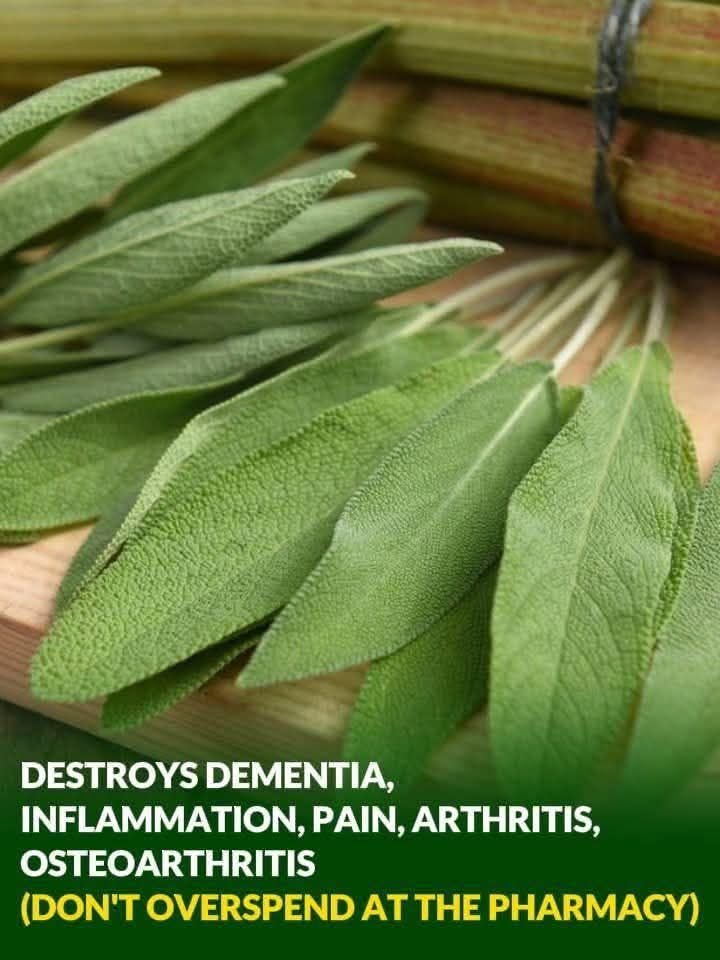
Absolutely! Let’s break down Salvia officinalis (commonly called sage) and how it affects brain health, inflammation, and joint pain, along with directions for safe use. I’ll provide thorough detail.
1. Overview of Salvia officinalis (Sage)
Salvia officinalis is a herb from the mint family, traditionally used in cooking and herbal medicine. Its leaves contain antioxidants and anti-inflammatory compounds, including rosmarinic acid, ursolic acid, and flavonoids. These compounds contribute to its potential health benefits.
2. Benefits for Brain Health
-
Cognitive function: Sage has been studied for improving memory, attention, and mental clarity. Some research suggests it may support Alzheimer’s disease patients by slowing cognitive decline.
-
Mechanism: Compounds in sage inhibit acetylcholinesterase, an enzyme that breaks down acetylcholine, a neurotransmitter critical for memory and learning. Higher acetylcholine levels improve brain signaling.
-
Antioxidant effects: Sage’s antioxidants help protect brain cells from oxidative stress, which is linked to neurodegenerative diseases.
Evidence:
-
A study in adults with mild cognitive impairment showed improved memory and attention after taking sage extract.
-
Traditional use includes drinking sage tea to “boost brain power.”
3. Anti-inflammatory Effects
-
Sage reduces inflammation by blocking inflammatory cytokines and oxidative stress pathways.
-
Chronic inflammation is linked to many conditions, including arthritis, heart disease, and neurodegeneration.
Evidence:
-
Laboratory studies show sage extracts decrease markers of inflammation in cells.
-
Animal studies suggest it can reduce swelling and inflammatory pain.
4. Supports Arthritis & Osteoarthritis Relief
-
Sage’s anti-inflammatory and analgesic properties help reduce joint pain and stiffness.
-
Mechanism: Compounds like rosmarinic acid inhibit enzymes that cause cartilage breakdown and inflammation in joints.
Evidence:
-
Topical sage oil or creams may help ease mild arthritis pain.
-
Oral supplements (capsules or teas) can provide systemic anti-inflammatory effects.
5. How to Use Salvia officinalis
A. Tea (Traditional Use)
-
Method: 1–2 teaspoons of dried sage leaves per cup of hot water. Steep 5–10 minutes.
-
Dose: 1–3 cups daily.
-
Benefits: Mild brain support, anti-inflammatory, digestion support.
B. Tincture / Extract
-
Dose: 300–600 mg of standardized sage extract daily (divided doses).
-
Benefits: Concentrated form, more potent for cognitive or anti-inflammatory effects.
C. Topical Use for Joints
-
Sage essential oil (diluted in a carrier oil like coconut or olive oil) can be massaged on painful joints.
-
Caution: Essential oils must be diluted; do not ingest undiluted.
6. Safety & Precautions
-
Generally safe in culinary amounts and moderate herbal doses.
-
Avoid high doses in pregnancy or breastfeeding.
-
Thujone content caution: Some sage varieties contain thujone, which is toxic in very high amounts. Stick to culinary or standardized extracts.
-
Possible side effects: Nausea, dizziness, or allergic reactions.
-
Interactions: Can affect blood sugar and interact with diabetes medications; consult a doctor if on medication.
Summary Table
| Benefit | How it works | Suggested Use |
|---|---|---|
| Brain health | Inhibits acetylcholinesterase, antioxidants protect neurons | Tea 1–3 cups/day or 300–600 mg extract/day |
| Reduces inflammation | Blocks cytokines, antioxidant activity | Tea or extract daily |
| Arthritis/osteoporosis pain | Reduces joint inflammation, cartilage protection | Topical oil or oral extract |
If you want, I can create a step-by-step daily protocol using sage for brain and joint support, including timing, dosage, and combination with other anti-inflammatory herbs. This makes it super practical.